Hair loss can quietly chip away at your confidence. A receding hairline, thinning crown, or widening part can make you feel older than you are, and for many people the problem only gets worse with time. The good news is that modern hair restoration is more advanced, more natural-looking, and more accessible than ever. If you are searching for the best hair implant in Bangladesh, this guide covers what the procedure involves, how to choose a clinic, what recovery looks like, and the mistakes to avoid.
What Is a Hair Implant?
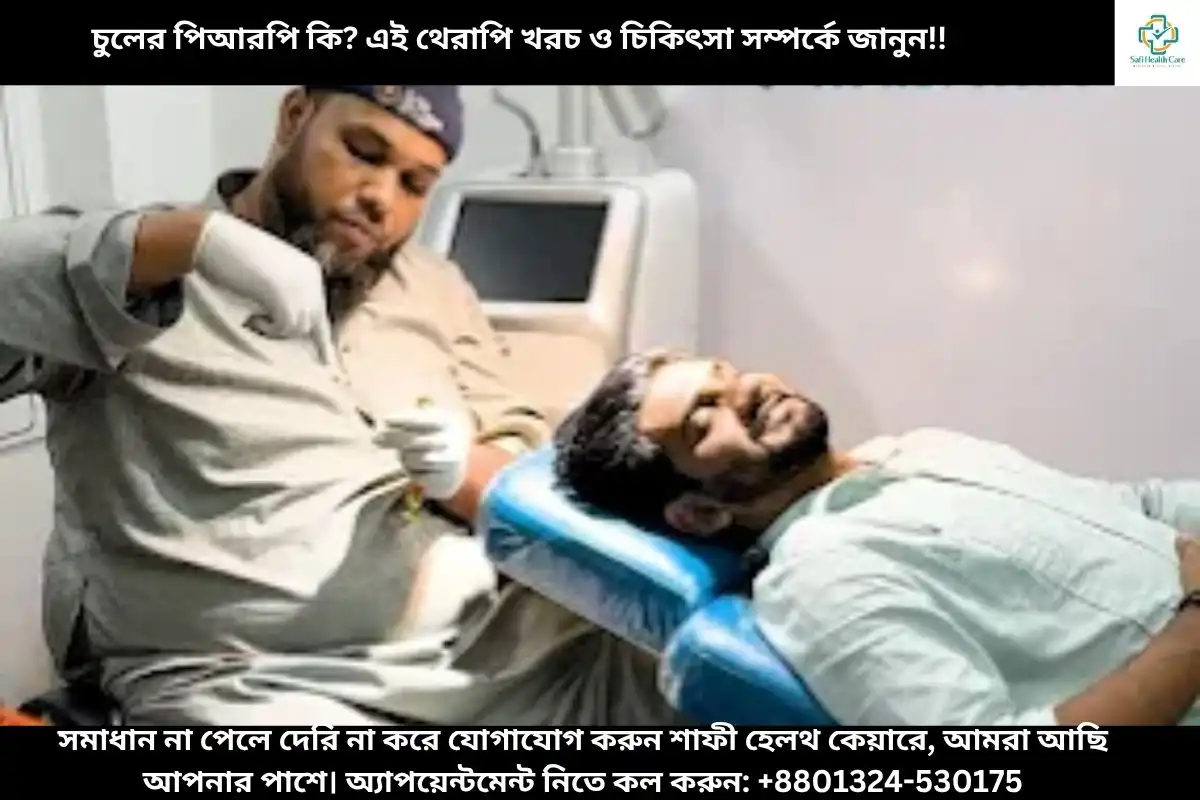
A hair implant, more accurately called a hair transplant, is a surgical procedure that moves healthy hair follicles from one part of your scalp to the areas where hair has thinned or disappeared. The donor area is usually the back or sides of the head, because hair there is genetically resistant to the hormone that causes pattern baldness.
Once transplanted, these follicles keep growing in their new location. Over several months, they produce natural hair that you can cut, wash, and style like the rest of your hair. Unlike creams, supplements, or wigs, a transplant offers a lasting solution.
Why More People Are Choosing Hair Restoration at Home?
Over the past decade, hair implant in Bangladesh has grown from a niche service into a well-established field of cosmetic medicine. Several reasons explain the shift:
- Skilled specialists: Many Bangladeshi surgeons and dermatologists have trained internationally and bring modern techniques back home.
- Lower overall cost: Treatment is generally more affordable than in Europe, North America, or the Gulf, and you avoid flights, hotels, and long stays abroad.
- Convenience: You can attend consultations, follow-ups, and check-ups easily, which matters a great deal for aftercare.
- Cultural and language comfort: Discussing a personal concern in your own language helps you communicate your goals and understand the advice you receive.
Understanding the Causes of Hair Loss
Before considering any procedure, it helps to know why your hair is falling out. The most common causes include:
- Androgenetic alopecia (pattern baldness): The most common cause in men and a frequent one in women, driven by genetics and hormones.
- Stress and lifestyle: Severe physical or emotional stress can trigger temporary shedding.
- Nutritional deficiencies: Low iron, vitamin D, zinc, or protein can weaken hair.
- Medical conditions: Thyroid disorders, hormonal imbalances, and autoimmune conditions can all affect hair.
- Scalp conditions: Persistent dandruff, fungal infections, or inflammation can damage follicles.
- Traction and styling damage: Tight hairstyles and harsh chemical treatments can cause long-term loss.
A good clinic will diagnose the cause first. A transplant works best for permanent loss such as pattern baldness, while temporary shedding may need medical treatment rather than surgery.
Main Hair Transplant Techniques
FUE (Follicular Unit Extraction)
In FUE, the surgeon removes individual follicular units from the donor area using a tiny punch tool and then implants them into the recipient area. It leaves no linear scar, only very small dots that are hard to see, so patients can keep their hair short if they like. Recovery is relatively quick, which makes FUE the most popular technique today.
DHI (Direct Hair Implantation)
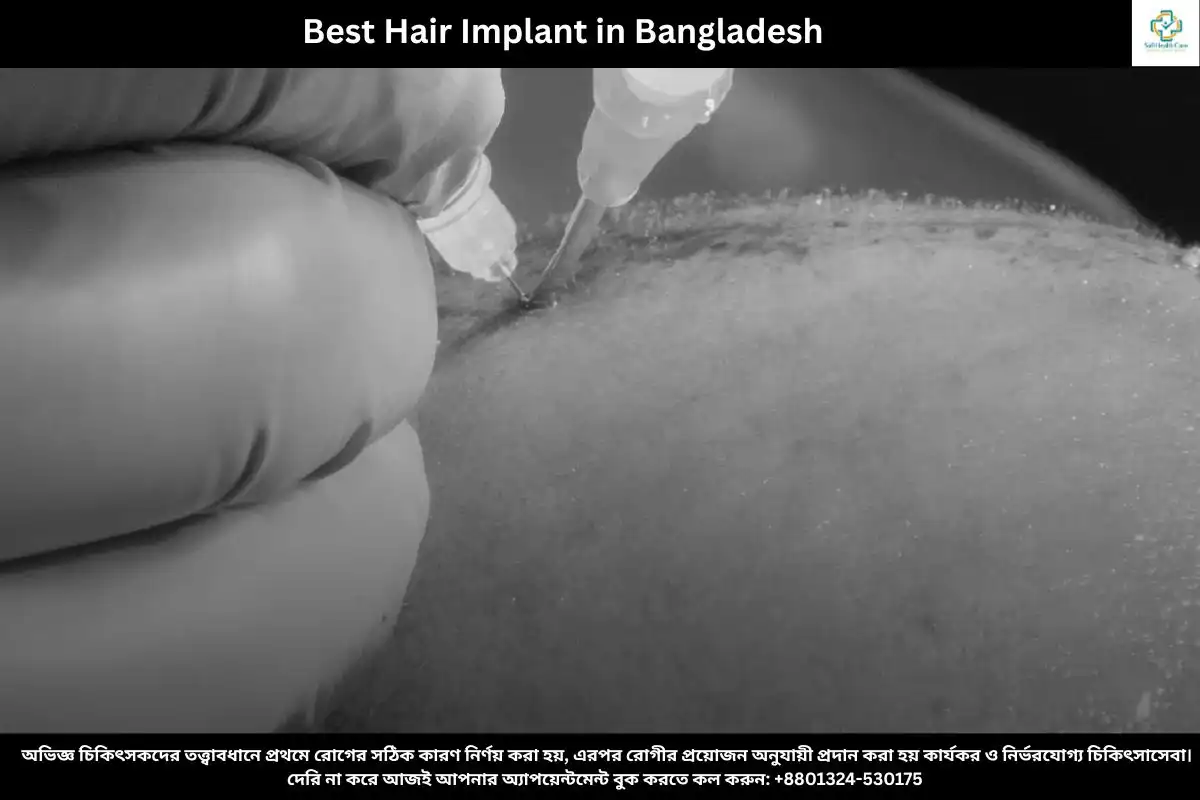
DHI is a refined version of FUE that uses a special pen-like implanter to place follicles directly into the scalp. The surgeon can control the angle, direction, and depth of each graft precisely, which helps create a natural-looking hairline. DHI often suits patients who want higher density in a specific area, though it usually takes longer and may cost more.
FUT (Follicular Unit Transplantation)
FUT, sometimes called the strip method, involves removing a thin strip of scalp from the donor area and dividing it into individual grafts. It can yield a large number of grafts in one session but leaves a linear scar, so it suits people who plan to keep their hair longer. It is less common now than FUE or DHI.
What Makes the Best Hair Implant in Bangladesh?
So what separates the best hair implant in Bangladesh from an average one? Price and advertising are not the answer. Look for these qualities instead:
Qualified, experienced surgeons
Check the doctor’s credentials, training, and years of experience. Ask how many procedures they perform each year and whether they personally perform the key steps of the surgery.
Proper medical facilities
The clinic should be clean, licensed, and equipped with appropriate sterilization and emergency preparedness. A hair transplant is a surgical procedure and deserves a proper setting.
A real consultation
A trustworthy clinic assesses your scalp, asks about your medical history, explains your options, and tells you honestly if you are not a good candidate. Be wary of anyone who promises results without examining you.
A realistic plan
The specialist should explain how many grafts you need, how the hairline will be designed for your age and face shape, and what outcome is achievable.
Verifiable results
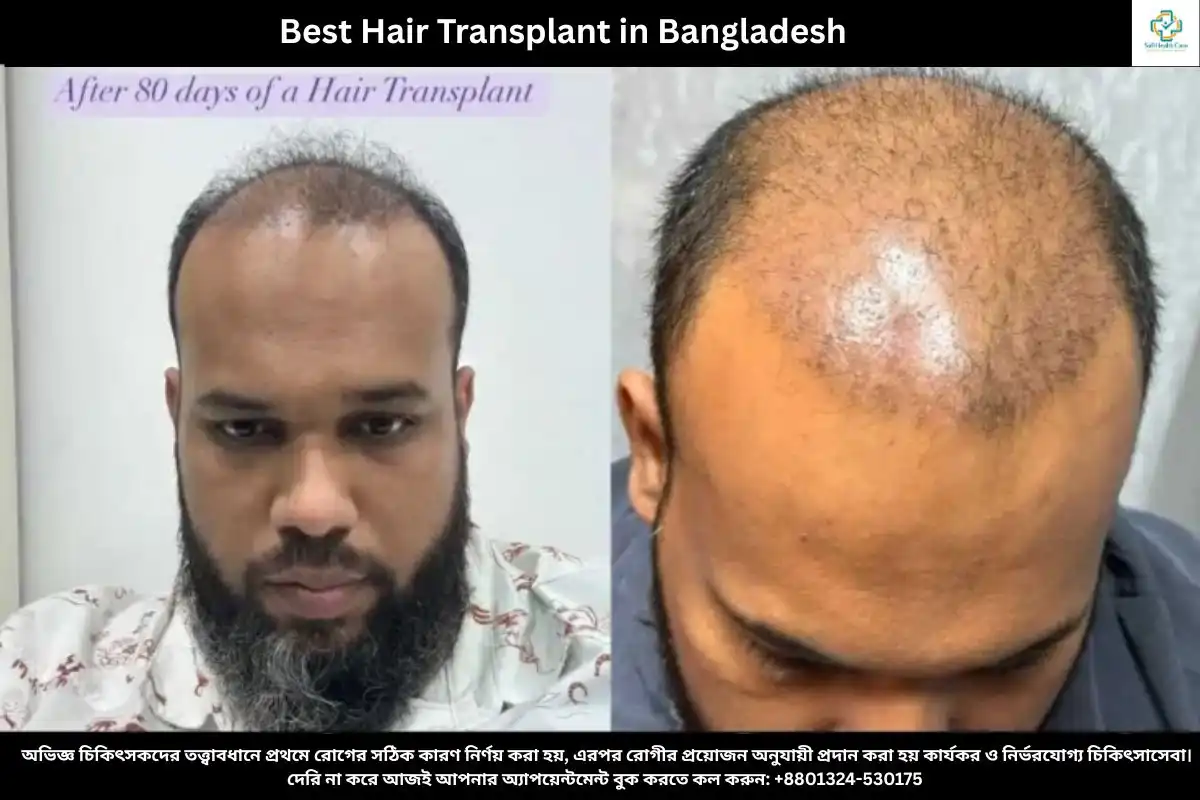
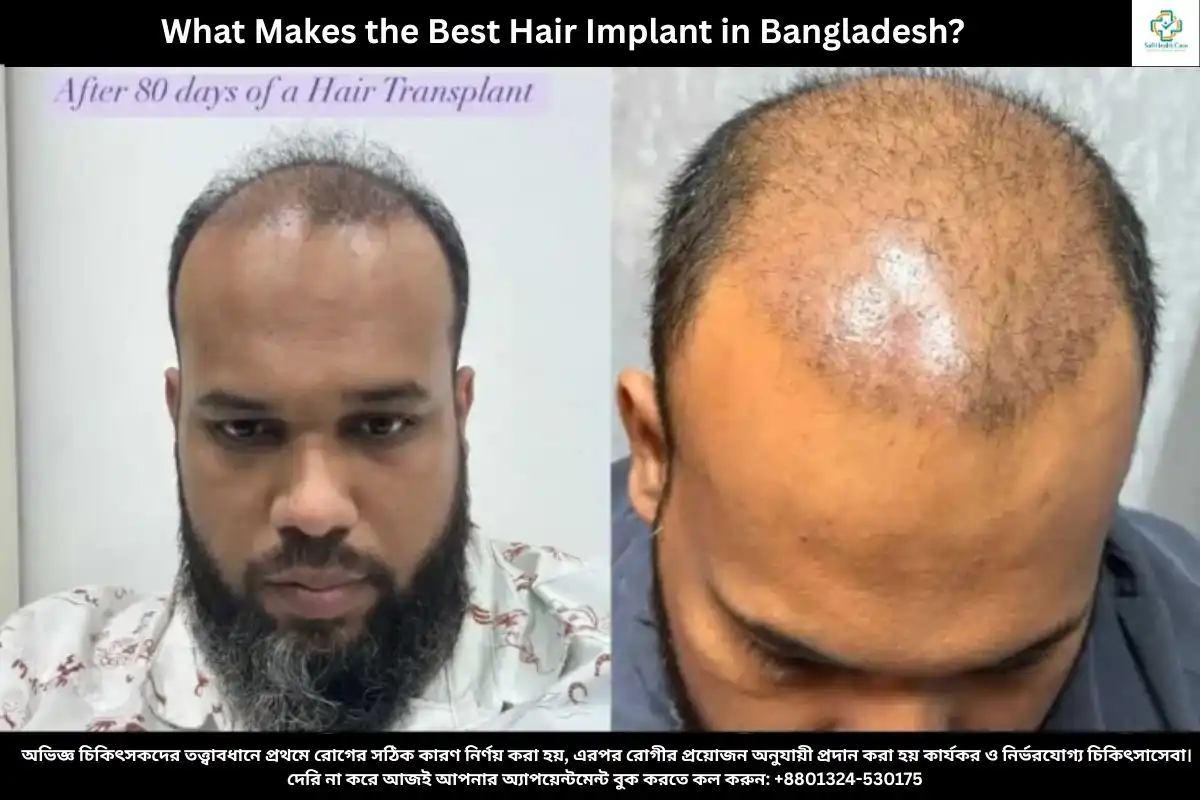
Ask to see before-and-after photos of real patients with a similar hair type and level of loss. If possible, speak with previous patients or read honest reviews.
Transparent pricing
The quote should clearly state what is included, such as the procedure, medications, follow-ups, and any additional sessions.
Strong aftercare
The best clinics do not disappear after surgery. They schedule check-ups and answer your questions during the months of recovery.
Questions to Ask Before You Book
Bring a short list to your consultation:
- Who will perform the extraction and implantation?
- Which technique do you recommend for me, and why?
- How many grafts do I need, and how did you calculate that?
- What is your experience with my type of hair loss?
- What are the possible risks and side effects?
- What is included in the price, and what is not?
- What does follow-up care look like?
A confident, honest clinic will welcome these questions.
The Procedure Step by Step
- Consultation and planning: The doctor examines your scalp, discusses your goals, and designs the hairline.
- Preparation: The scalp is cleaned, and the donor area is trimmed if needed.
- Local anesthesia: The treated areas are numbed, so you should feel little pain during the procedure.
- Graft extraction: Follicles are carefully harvested from the donor area.
- Site creation: Tiny channels are made in the recipient area in the proper angle and direction.
- Implantation: The grafts are placed one by one to recreate natural growth patterns.
- Post-procedure care: You receive instructions, medication, and a follow-up schedule.
Depending on the number of grafts, the procedure usually takes between six and ten hours, and most patients go home the same day.
Recovery and Results Timeline
Patience matters, because hair restoration is a gradual process:
- First few days: Mild swelling, redness, and tenderness are common. Tiny scabs form around the grafts.
- Week 1 to 2: Scabs fall off, and most people can return to normal routines with some care.
- Weeks 2 to 6: Transplanted hair often sheds. This is normal “shock loss,” and the follicles remain alive beneath the skin.
- Months 3 to 4: New hair begins to grow, usually thin at first.
- Months 6 to 9: Hair thickens and the density improves visibly.
- Months 12 to 18: Final results become clear.
Understanding the Cost
The cost of a hair implant in Bangladesh depends on several factors:
- The number of grafts required
- The technique used (FUE, DHI, or FUT)
- The surgeon’s experience and reputation
- The clinic’s facilities and location
- Whether follow-up care and medications are included
Costs vary widely between clinics, so request a written quotation after your consultation. Be careful with prices that seem unusually low. Extremely cheap offers may involve unqualified staff, rushed procedures, or poor hygiene, and fixing a bad transplant is far more expensive than doing it properly once.
Local Treatment or Treatment Abroad?
Many patients wonder whether a hair implant in Bangladesh can match treatment abroad. The answer depends mainly on the surgeon, not the country. A skilled, experienced specialist at a reputable local clinic can deliver excellent, natural-looking results. Treating locally also saves travel costs and makes follow-up visits simple. Traveling abroad may make sense in particular cases, but it adds expense and makes it harder to return if you have concerns. Whichever route you choose, research the surgeon carefully.
Choosing an experienced surgeon and following aftercare instructions greatly reduces these risks.
Common Mistakes to Avoid
- Choosing on price alone. The cheapest option is rarely the best.
- Skipping the consultation. Treatment should always begin with a proper examination.
- Believing guaranteed results. No honest doctor can promise a specific outcome.
- Ignoring the donor area. Taking too many grafts can leave the donor area looking thin.
- Ignoring aftercare. Skipping medications, washing incorrectly, or touching the grafts can harm results.
- Expecting instant results. Full results take a year or more.
Aftercare Tips for Better Results
- Follow your surgeon’s washing and medication instructions exactly.
- Avoid scratching or rubbing the scalp.
- Sleep with your head slightly elevated for the first few nights.
- Avoid strenuous exercise, swimming, and heavy sweating for the period your doctor advises.
- Protect your scalp from direct sun and avoid smoking, which slows healing.
- Eat a balanced diet rich in protein, iron, and vitamins.
- Attend every follow-up appointment.
Final Thoughts
Hair loss is common, and choosing to treat it is a personal decision that deserves careful research. Choosing the best hair implant in Bangladesh means putting skill, safety, honesty, and aftercare ahead of discounts and flashy marketing. Take the time to compare clinics, ask detailed questions, and look closely at real patient results.
A successful hair implant in Bangladesh begins with a proper consultation and ends with patience as your new hair grows in. With the right surgeon, a realistic plan, and good aftercare, you can restore not just your hairline but your confidence too.

Why Choose Safi Health Care?
The clinic you pick matters just as much as the procedure itself. At Safi Health Care, every patient gets a thorough examination first, and the treatment plan is designed around your scalp, your hair history, and your goals, not a generic package. If you are looking for a hair implant in Bangladesh, you can expect careful preparation, a clean and hygienic procedure, and straightforward advice from start to finish.
Anyone considering a hair implant is told clearly what results are realistic, how many grafts will probably be needed, and how to look after the scalp during recovery. There are no exaggerated promises and no hidden surprises. This honest, patient-first approach to hair implant in Bangladesh is why so many people trust us and see the results they were hoping for.
If other clinics have not given you the answer you needed, let Safi Health Care help. Our experienced doctors first find the real cause of your hair loss, then recommend a dependable plan for hair implant in Bangladesh that suits your needs. Don’t put off your treatment any longer. Call now to book your appointment: +8801324-530175.
To Know More: Best Hair Transplant in Bangladesh
To Know More: Hair Treatment in Bangladesh
To Know More: Best Hair Baldness Treatment & Hairfall Solution for Men
Frequently Asked Questions (FAQ)
Will the results look natural?
In skilled hands, yes. Natural results depend on correct hairline design, graft angle, and density.
Is the procedure painful?
Local anesthesia numbs the area, so most patients feel only mild discomfort. Some tenderness afterward is normal.
Is the result permanent?
Transplanted hair from the donor area is generally long-lasting. Existing non-transplanted hair may continue to thin, so your doctor may recommend ongoing treatment.
When can I return to work?
Many people return to work within a few days to a week, depending on the job and how visible they want the early healing phase to be.
Do women need hair transplants too?
Yes. Women with certain types of thinning or hairline loss can be candidates, though a careful diagnosis is especially important.