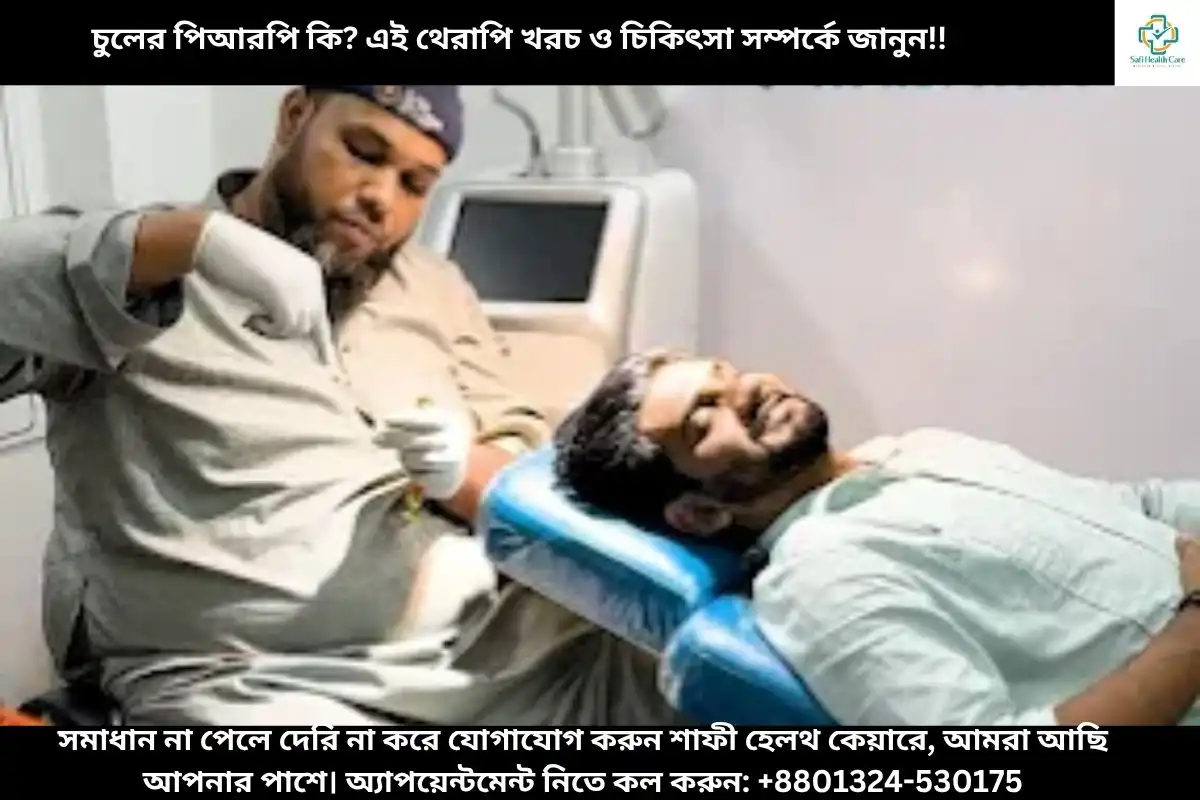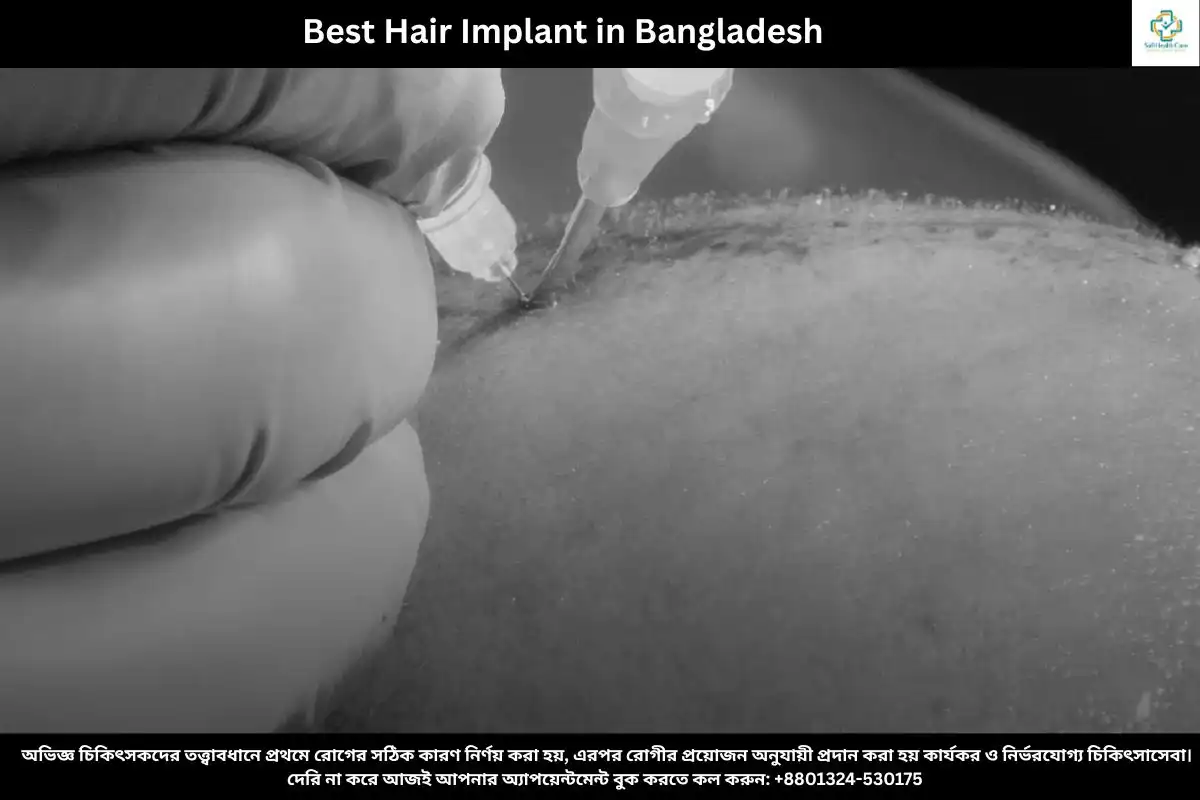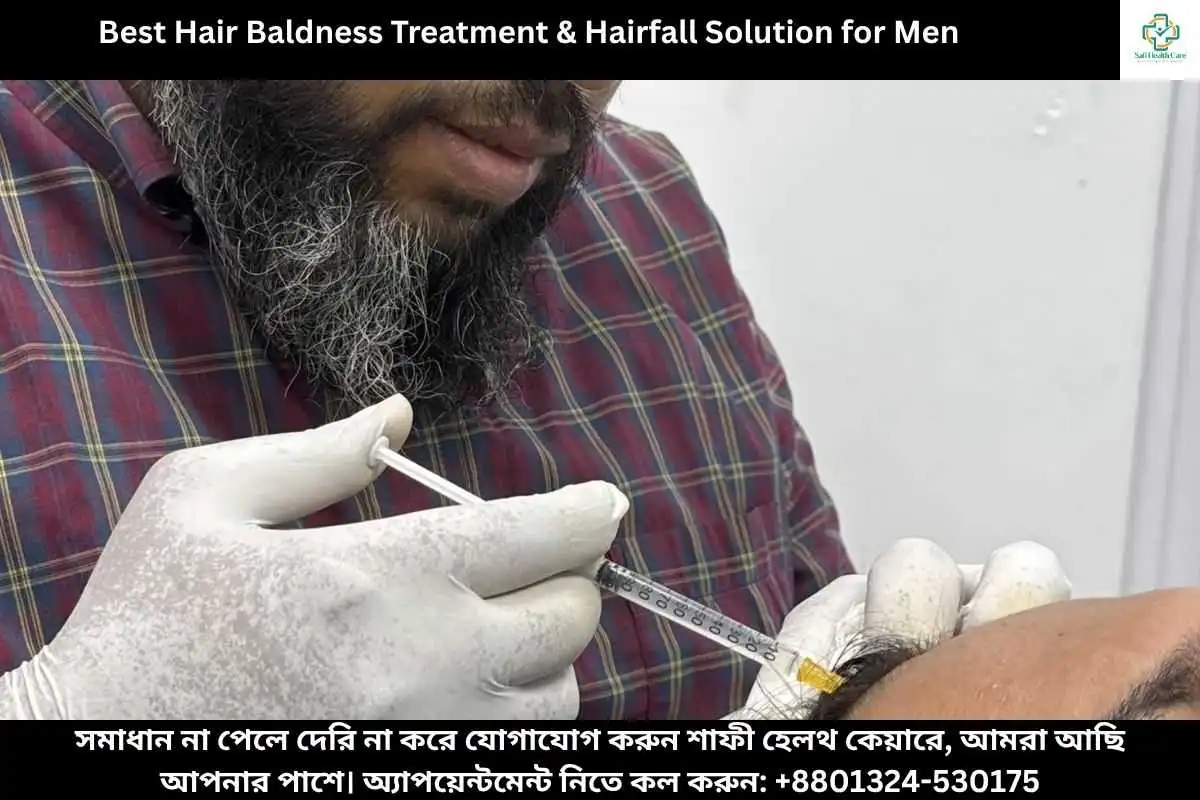
Losing hair can shake a man’s confidence long before anyone else notices. A thinning crown, a receding hairline or a comb full of hair every morning are signs that should not be ignored. The good news is that the right hair baldness treatment can slow, stop and in many cases partly reverse the process when it is started early. In this guide, we explain the most trusted options, how each one works and which hairfall solution for men may suit your stage of hair loss.
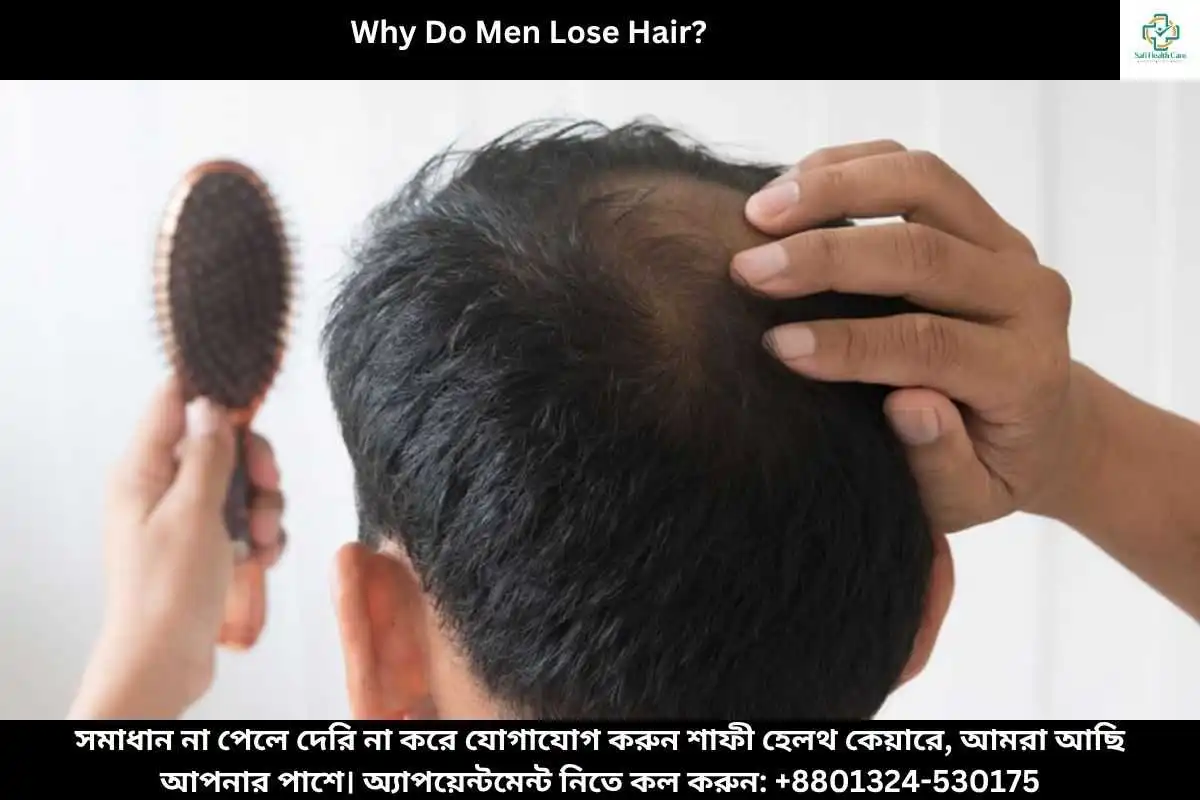
Why Do Men Lose Hair?
Before choosing any treatment, it helps to understand the cause. The most common reason is androgenetic alopecia, also known as male pattern baldness. It is driven by genetics and by a hormone called DHT, which gradually shrinks hair follicles until they stop producing healthy strands. This usually begins at the temples or the crown and slowly spreads.
Genetics is not the only cause, however. Chronic stress, poor sleep, crash diets, low iron or vitamin D, thyroid problems, scalp infections, dandruff, heavy pollution and harsh hair products can all increase hair fall. In a busy city like Dhaka, dust, humidity and an irregular lifestyle make the problem worse for many young men. Because the causes differ, a treatment that works for your friend may not work for you. That is why a proper scalp examination should always come first.

Hair Baldness Treatment
Baldness rarely happens overnight, and the earlier you act, the more hair you can save. A good hair baldness treatment plan starts by identifying your stage of hair loss, the condition of your scalp and the number of active follicles you still have. Below are the most reliable options, each explained with a short FAQ.
Medication: Minoxidil and Finasteride
Medication is usually the first step for men with early or moderate hair loss. Minoxidil is a topical solution or foam applied to the scalp. It improves blood flow around the follicles and extends the growth phase of the hair. Finasteride is an oral medicine that reduces DHT levels, which addresses the main hormonal cause of male pattern baldness. Both must be used regularly and only under a doctor’s guidance, because stopping them suddenly can lead to the lost hair returning to its earlier pattern.
FAQ: Medication
Q: How long does it take to see results from hair medication?
A: Most men need at least three to six months of regular use before they notice visible improvement. Some shedding in the first weeks is normal.
Q: Are there side effects?
A: Minoxidil may cause mild scalp irritation, while finasteride can occasionally affect some men in other ways. A doctor can check whether it is suitable for you.
Q: Can I stop once my hair grows back?
A: Usually not. The benefits last only as long as the treatment continues, so ask your doctor about a long-term plan.
Hair Transplant (FUE)
For advanced baldness where follicles are no longer active, a surgical hair baldness treatment such as Follicular Unit Extraction (FUE) can give lasting results. Healthy follicles are taken from the back of the scalp, which resists balding, and are placed carefully into thinning or bald areas. The new hairs grow naturally and can be styled, trimmed and washed like the rest of your hair. A successful transplant depends on the surgeon’s skill, a realistic hairline design and proper aftercare, so choosing an experienced team is essential.
FAQ: Hair Transplant
Q: Is a hair transplant painful?
A: The procedure is done under local anaesthesia, so most patients feel only mild discomfort during the process and some soreness afterwards.
Q: When will I see the final result?
A: Transplanted hair usually sheds first and then regrows. Full results typically appear after nine to twelve months.
Q: Who is a good candidate?
A: Men with stable hair loss and enough healthy donor hair at the back and sides of the scalp are the best candidates.
Low-Level Laser Therapy
Laser therapy is a painless, non-surgical hair baldness treatment that uses low-level light to stimulate weak follicles. The light energy is absorbed by the scalp cells, which may improve circulation and encourage thinning hair to grow thicker. It works best in the early stages of hair loss, when the follicles are still alive but weakened. Sessions are short, need no recovery time and can be combined with medication for better results.
FAQ: Laser Therapy
Q: Does laser therapy hurt?
A: No. Most patients feel only a gentle warmth on the scalp.
Q: How many sessions are required?
A: The number depends on your hair condition. Most plans need regular sessions over several months, and your doctor will advise you after an examination.
Q: Will laser therapy work for a completely bald area?
A: It is less effective on areas where follicles have completely closed. It is best suited to thinning rather than fully bald patches.
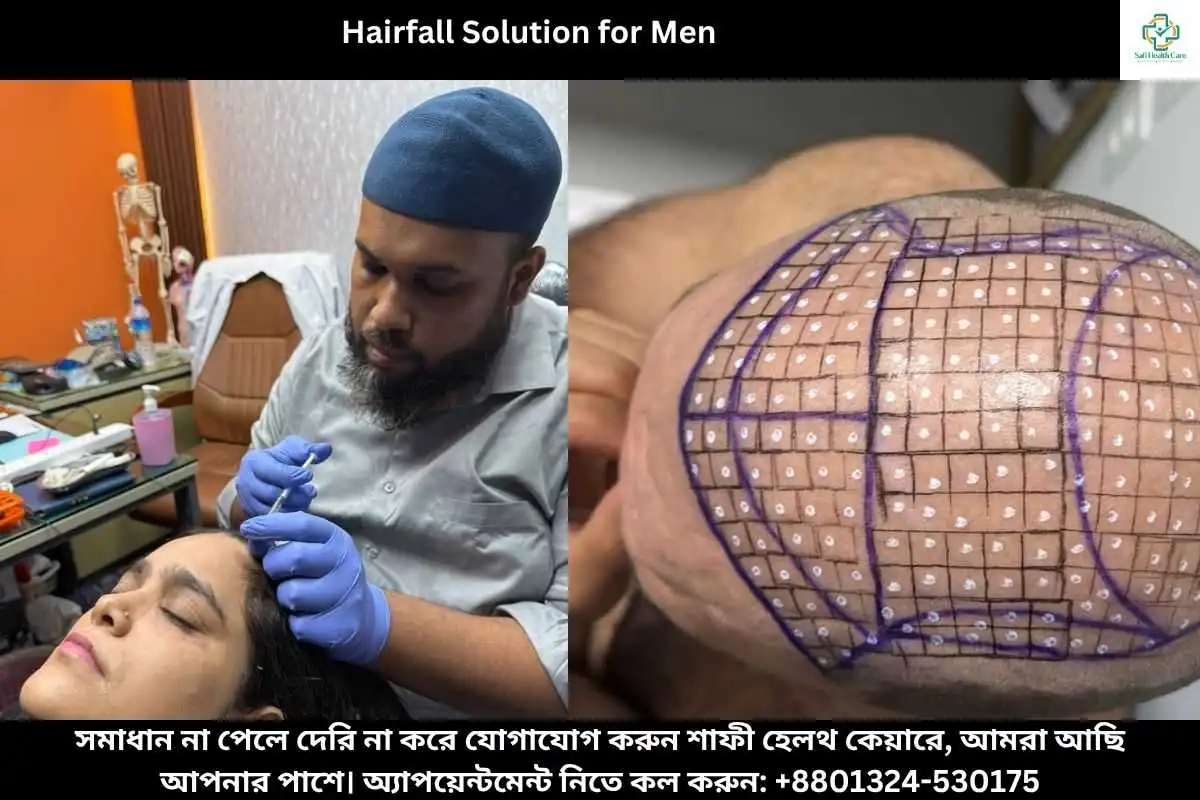
Hairfall Solution for Men
If your problem is excessive shedding, thinning or weak hair rather than complete baldness, a targeted hairfall solution for men can help you keep what you have and make it stronger. These treatments focus on nourishing the scalp, strengthening the roots and removing the factors that cause hair to fall.
Mesotherapy
Mesotherapy is a popular hairfall solution for men in which a customised blend of vitamins, minerals and nutrients is delivered into the scalp through very fine injections. The idea is to feed the follicles directly, so the roots receive the nutrition that diet and shampoo cannot always provide. It is commonly chosen by men who notice general thinning, dull hair or a lack of density and who want a minimally invasive option with little downtime.
FAQ: Mesotherapy
Q: Is mesotherapy safe?
A: When performed by a trained doctor with sterile equipment, it is considered a safe procedure. You may see mild redness or small bumps that fade quickly.
Q: How often should I take sessions?
A: Sessions are usually spaced a few weeks apart, and your doctor will design a schedule based on your scalp condition.
Q: Can I go back to work the same day?
A: Yes, most patients return to their normal routine immediately.
Scalp Micro-Needling
Micro-needling uses a device with tiny needles to create controlled micro-channels in the scalp. This triggers the skin’s natural repair response, improves blood circulation and helps medicated solutions absorb better. As a practical hairfall solution for men, it is often combined with minoxidil or nutrient serums to make them more effective. The procedure is quick, and the scalp usually settles within a day or two.
FAQ: Micro-Needling
Q: Does micro-needling cause bleeding?
A: Light pinpoint redness is common, and heavy bleeding is not expected when it is done correctly.
Q: Can I do it at home?
A: Professional treatment is safer and more effective. Home devices can cause infection or damage if used incorrectly.
Q: Is it suitable for every scalp?
A: Not always. Active infections, wounds or certain skin conditions need to be treated first, so a doctor’s check is important.
Nutrition and Scalp Care
No clinical procedure can deliver its full benefit if daily habits keep damaging your hair. The simplest hairfall solution for men begins at home. Eat enough protein, because hair is made of keratin. Include iron-rich foods such as leafy greens and lentils, along with eggs, fish, nuts and seasonal fruits. Drink plenty of water and sleep seven to eight hours every night. Wash your hair with a mild shampoo, avoid very hot water, keep dandruff under control and do not tie or pull hair tightly. Managing stress through exercise, prayer, walking or hobbies also makes a real difference, because stress is one of the most overlooked causes of sudden shedding.
FAQ: Nutrition and Scalp Care
Q: Can supplements stop hair fall on their own?
A: Supplements help only when there is a real deficiency. A blood test can show whether you need them, and they work best alongside medical treatment.
Q: How often should men wash their hair?
A: Washing two to three times a week is enough for most people, and daily washing is fine if your scalp is oily, as long as the shampoo is mild.
Q: Does oiling stop hair fall?
A: Oiling can make hair feel softer and improve scalp comfort, but it does not stop hormonal hair loss by itself.
How to Choose the Right Treatment
There is no single answer that fits every man. Early thinning usually responds well to medication, mesotherapy and laser therapy. Moderate loss often needs a combination approach. Advanced baldness may call for surgery. The most effective hair baldness treatment is the one chosen after a proper diagnosis, not after copying what worked for someone else. Be careful with products that promise overnight regrowth, because genuine hair recovery takes patience, consistency and professional supervision.
Why Choose Safi Health Care?
Choosing the right clinic matters as much as choosing the right treatment. At Safi Health Care, every patient is examined carefully, and the plan is built around the individual instead of a one-size-fits-all package. Men looking for a dependable hair baldness treatment in Dhaka receive a clear explanation of their condition, the expected results, the number of sessions needed and the right aftercare, so there are no false promises and no surprises. Our focus on safe preparation, hygienic procedures and honest guidance is what helps patients build trust and achieve the results they hoped for. Whether you need a medical plan or a personalised hairfall solution for men, our team designs the approach around your scalp and your goals.
If you have not found the solution you wanted elsewhere, place your trust in Safi Health Care. Our experienced doctors first identify the exact cause of your hair problem and then provide an effective, reliable treatment plan in Bangladesh that matches your needs and your goals. Do not delay your treatment any longer. Call today to book your appointment: +8801324-530175.
Conclusion
Hair loss is common, but it is not something you have to accept silently. With early diagnosis, the right hair baldness treatment and a consistent hairfall solution for men supported by good nutrition and scalp care, many men see real improvement in density, strength and confidence. Start with a professional consultation, follow your plan patiently and protect your results with healthy habits. The sooner you begin, the more hair you can save.
To Know More: Best PRP hair treatment in Bangladesh
To Know More: Hair Treatment in Bangladesh